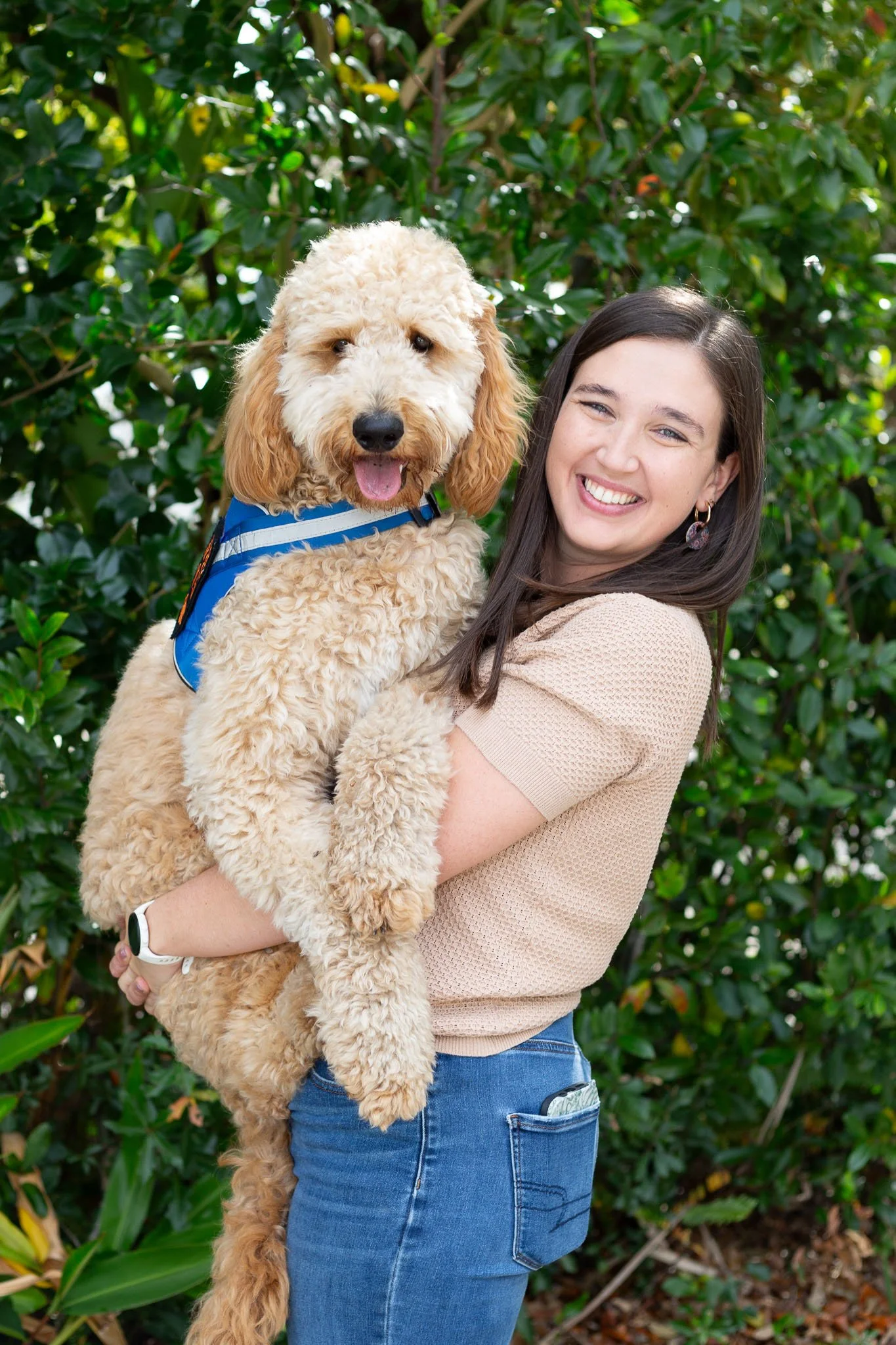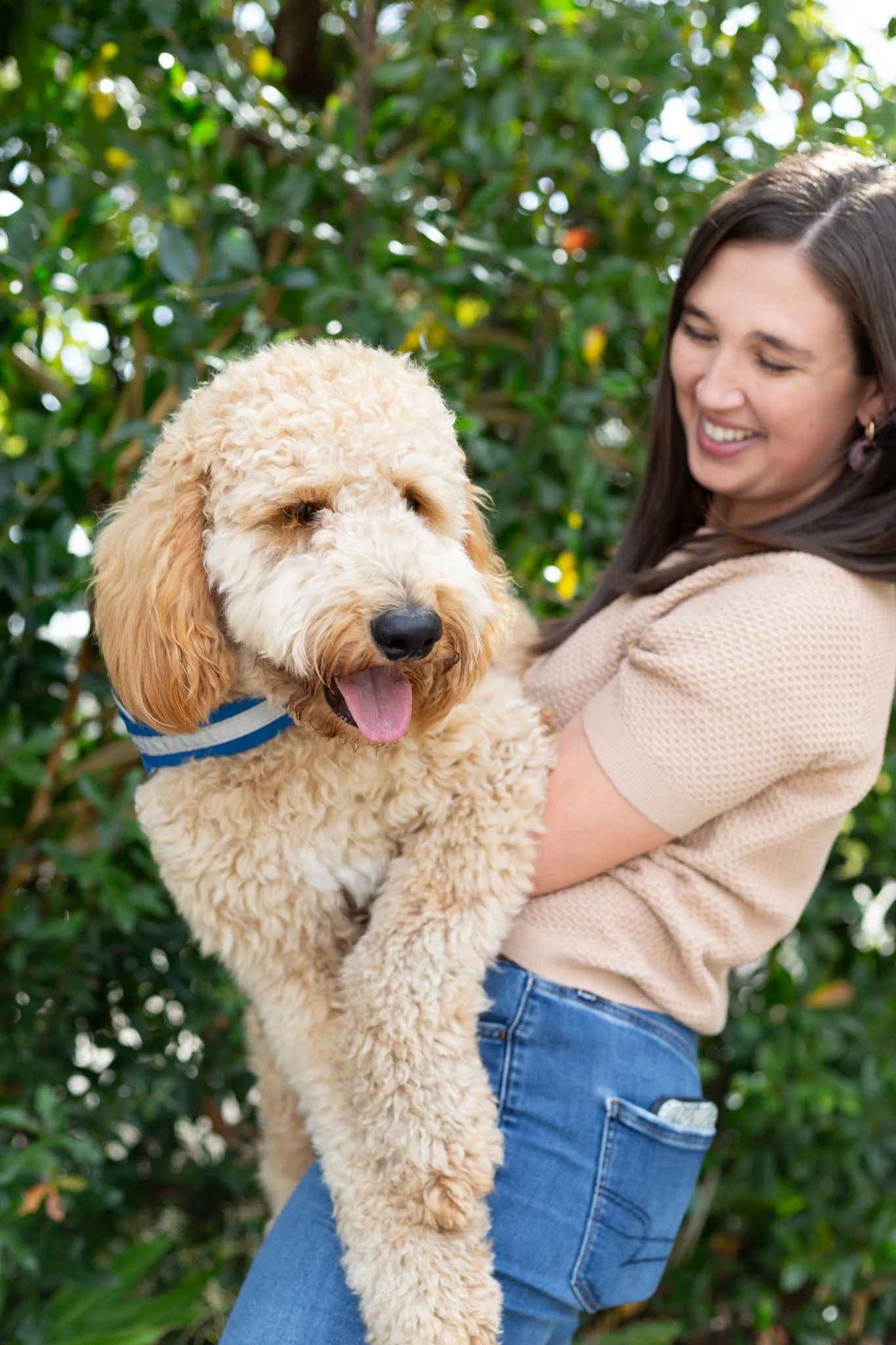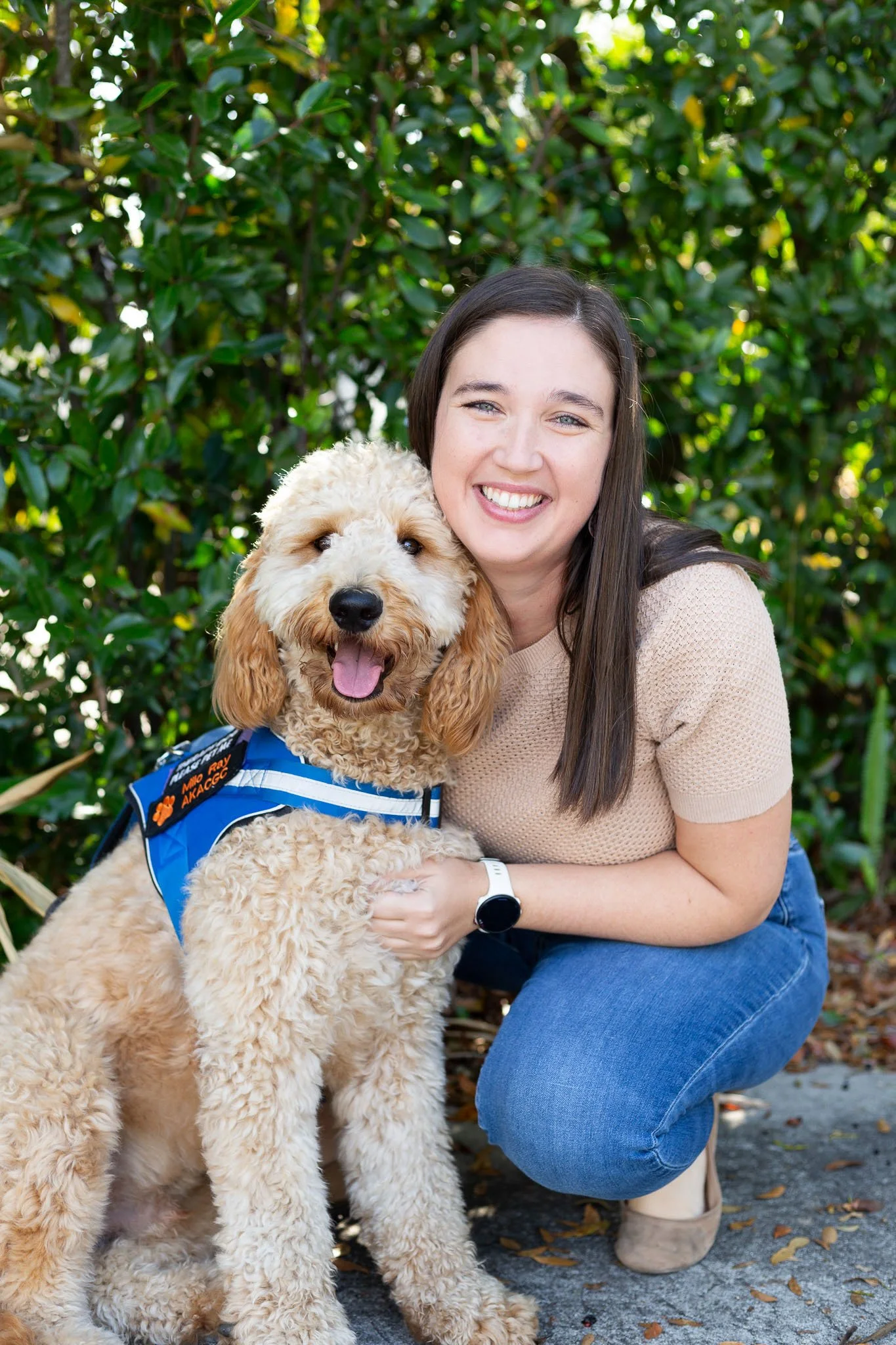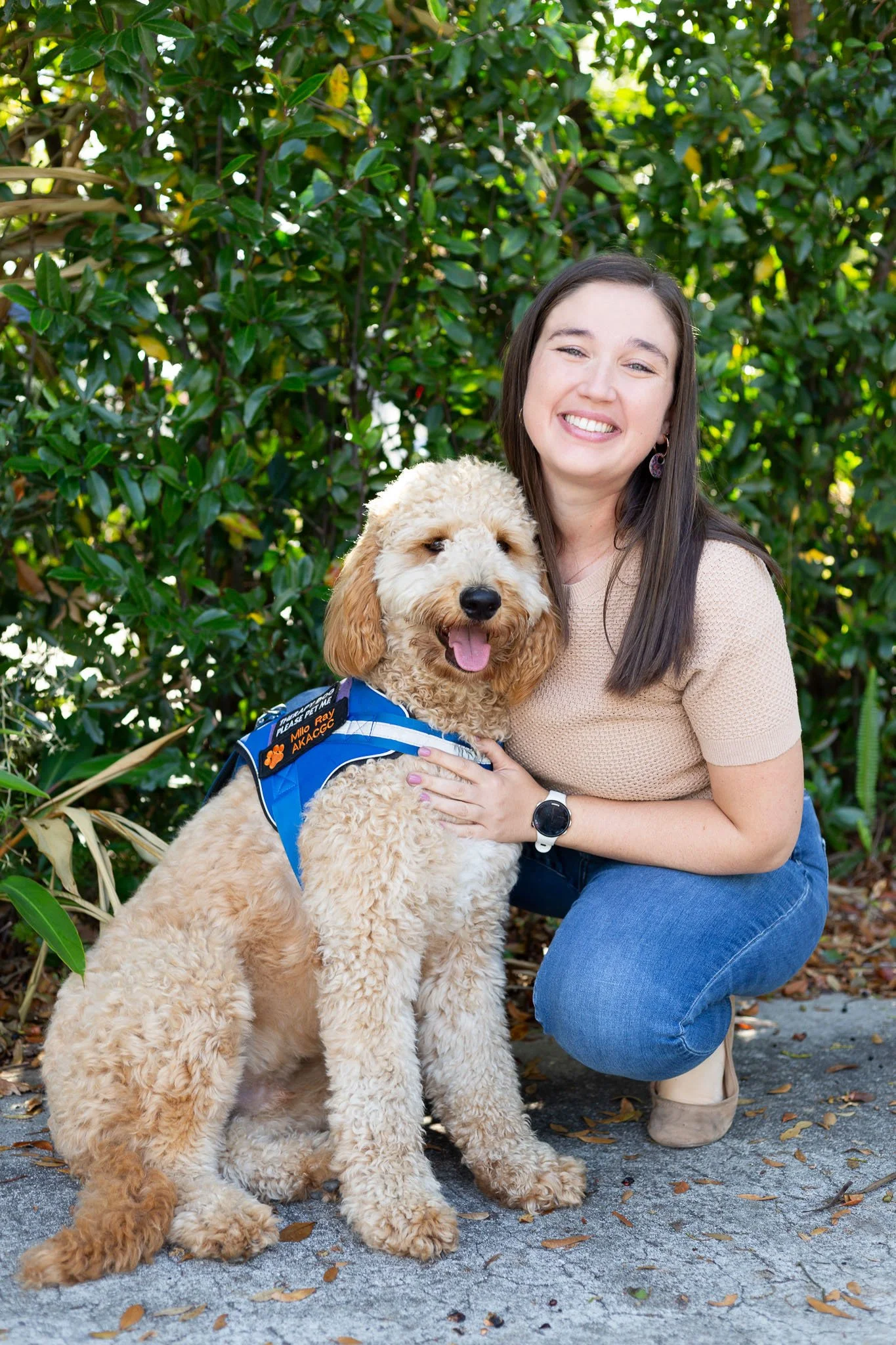


American Kennel Club Canine Good Citizen (CGC)
Milo Pollock
What Is Animal‑Assisted Therapy?
Animal‑Assisted Therapy (AAT) is a type of therapy where a trained animal—often a dog—works alongside a licensed therapist to support a person’s emotional, social, or mental health.
AAT isn’t just “hanging out with a cute dog.”
The therapist uses the human–animal bond in goal‑directed ways, meaning the dog becomes part of the treatment plan.
The therapist and client work together to set goals, guide interactions with the dog, and check in on progress over time.
Therapy Dogs vs. Service Dogs: What’s the Difference?
It’s easy to mix them up, but they have very different jobs.
Service Dogs
Trained to help one specific person
Support a specific medical or psychiatric condition
Perform tasks like alerting, guiding, or interrupting harmful behaviors
Therapy Dogs
Work with their handler to support many different people
Visit places like schools, hospitals, and counseling offices
Provide comfort, connection, and emotional support
Trained to be calm, friendly, and comfortable with new people and environments
Why Use AAT in Therapy?
A therapy dog can make sessions feel safer, calmer, and more approachable—especially for teens who struggle to open up.
AAT can help with:
Anxiety
Depression
Trauma recovery
Building social and emotional skills
Improving communication and trust
Many teens find it easier to talk, relax, and stay present when a therapy dog is in the room. The dog can also be part of activities that build coping skills, confidence, and emotional awareness.
What to Expect
During AAT, teens might:
Pet, brush, or sit near the dog
Practice grounding or calming skills with the dog
Learn communication or boundary‑setting through guided activities
Use the dog’s presence to help process difficult emotions
Participation is always optional, and the therapist ensures the dog’s involvement is safe, respectful, and purposeful.